





Titanium is a lightweight, high-strength, and corrosion-resistant metal with extensive applications in various fields such as aerospace, medical devices, and tableware.
Titanium can be categorized into two main types: "pure titanium" and "titanium alloys," each adhering to specific standards in different countries, such as ASTM, AMS, MIL in the United States, and JIS in Japan.
Characteristics of Titanium
Titanium alloys are compositions of titanium mixed with other chemical elements. These alloys possess lightweight properties, exceptional strength and toughness (even at extreme temperatures), corrosion resistance and high-temperature capabilities. They are commonly utilized in industries requiring heightened safety measures, such as aerospace, medical, and competitive sports for parts, prototypes, etc.
Pure titanium is a material known for its low density, high strength, biocompatibility, and non-toxicity. Its characteristics enable the production of products that are lightweight, portable, impact-resistant, safe, and non-toxic, making it widely applicable across industries such as civilian, biomedical, energy, aerospace, military, petrochemicals, etc.
Product Specifications
|
|
Kind | Specification | Shape |
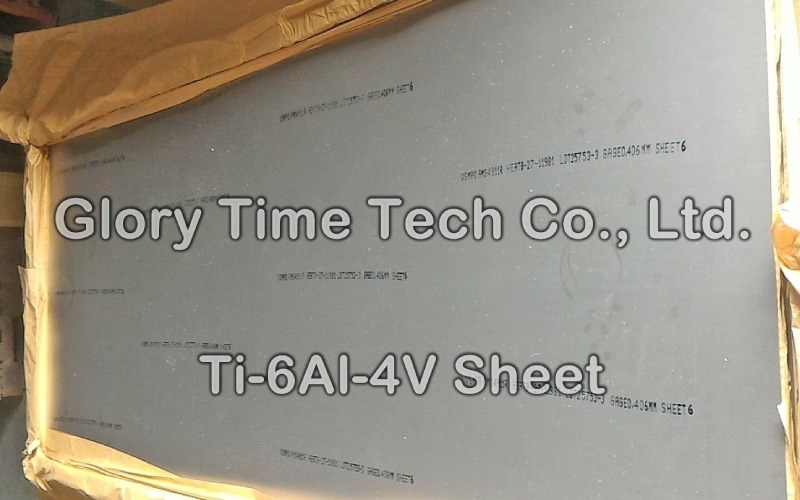
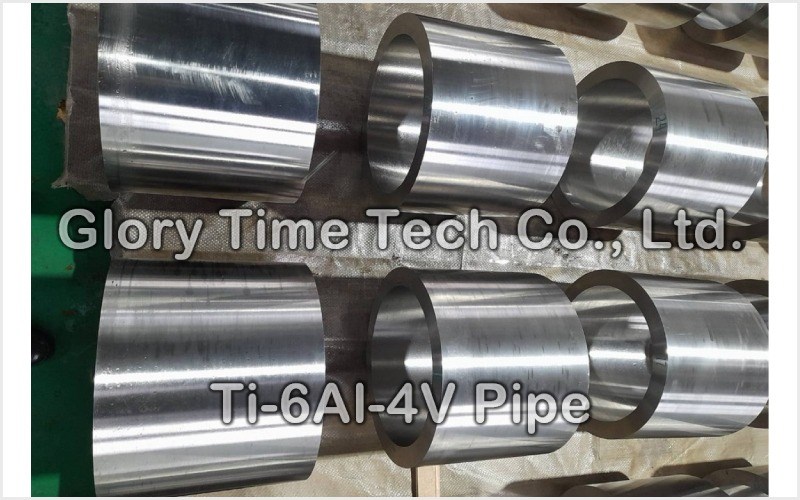
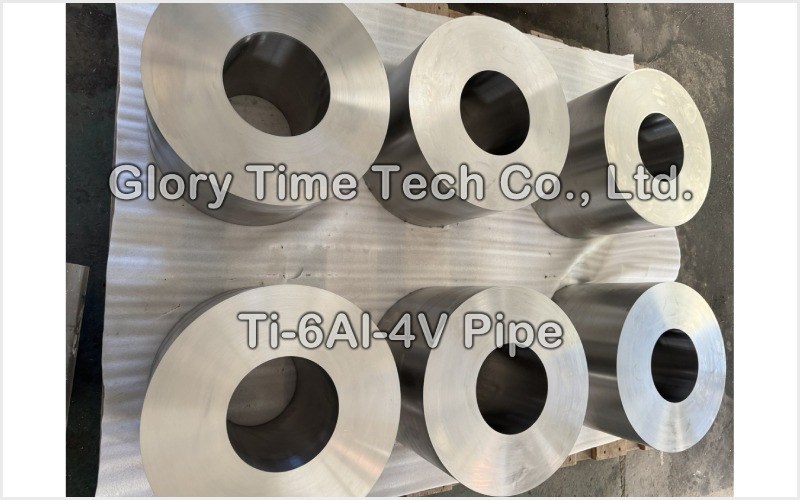
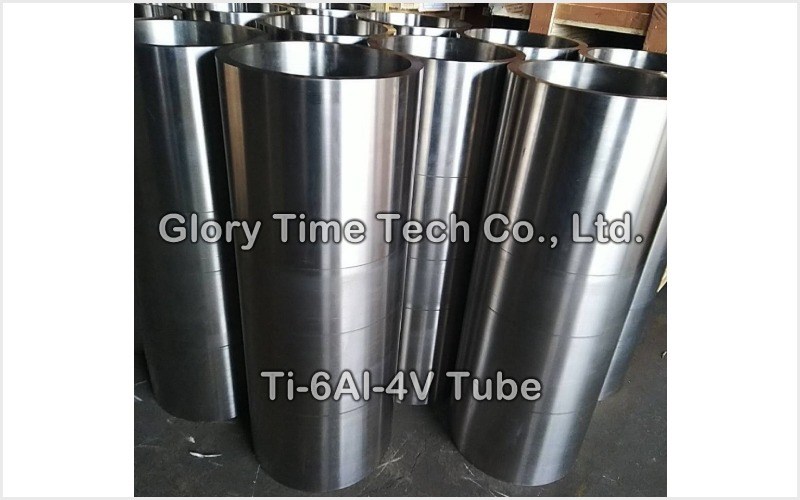
| Commercially Pure(C.P.) Titanium | Gr.1~4 | ASTM | Plate Sheet Bar Pipe Material |
| Titanium Alloy | Gr.5, Gr.7, Gr.9, Gr.13, Gr.16, Gr.23 | ASTM、AMS | Plate Sheet Bar Pipe Material Wire Welding Rod |
|
Ordering Options |
Accept small and large quantity orders, Customization (customized according to customer's size and shape) |
||
Note: Please contact us for detailed specifications or specific size requirements.